
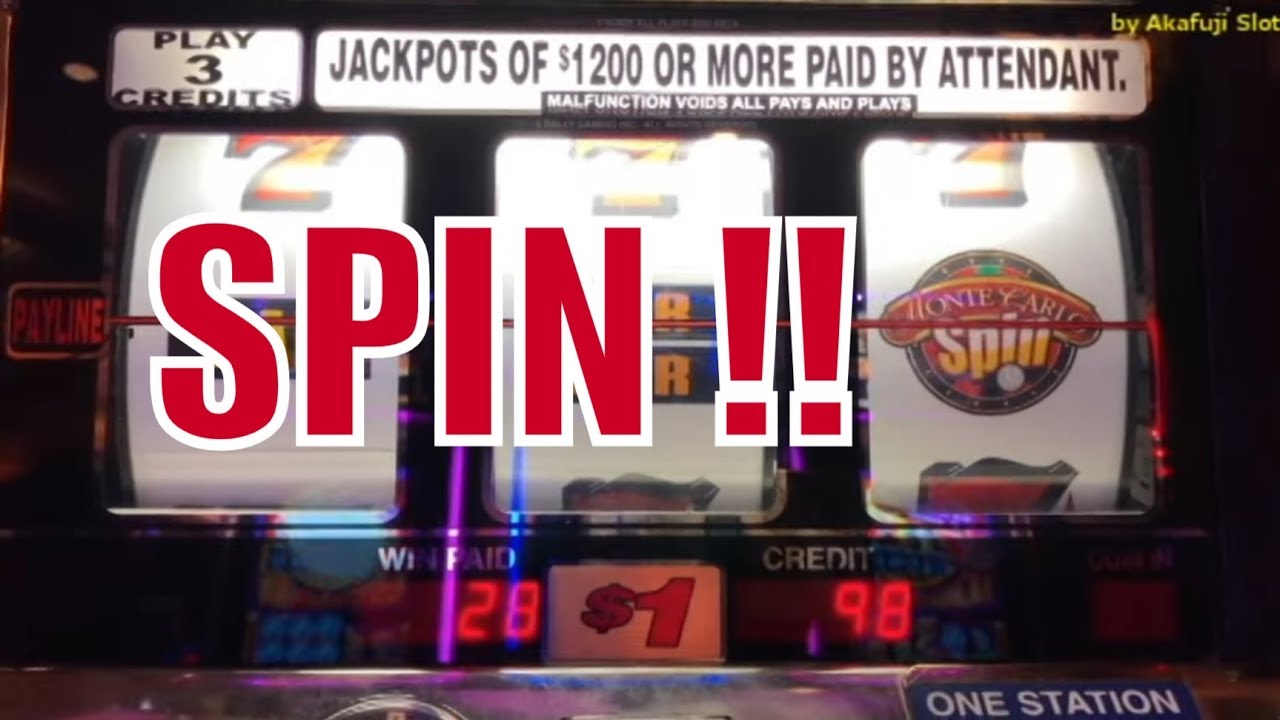
Starting sensibly at an online casino
Table of contents
My first look at an online casino was less glamorous than I had imagined. There were bright slot thumbnails, countdown banners, bonus offers with large numbers, and a lobby that seemed to have more buttons than I could reasonably inspect in one evening. I expected the difficult part would be learning the games. It took me a while to work out that the harder part, at least at first, was deciding what not to click.
This is a beginner walkthrough based on the habits I gradually built after making a few unremarkable but useful mistakes. I am not treating casino play as a way to earn reliable money, because it is not that. For me, it became a form of paid entertainment where the useful skills were reading conditions, setting limits, understanding basic game mechanics, and remaining calm when a result went the wrong way. That last skill sounds obvious. It did not feel obvious when I had a game open in front of me.
The first skill I built was slowing down. A casino site is designed to make movement from one game or offer to another feel effortless, so I found it helpful to create a small pause before every deposit, bonus claim, or change in stake.
There is no single perfect starting route, and I still think some trial and error is unavoidable. Still, a beginner can avoid many frustrating moments by approaching the site in a deliberate order. I now start with the practical details, then look at games, and only after that decide whether I actually want to play.
Choosing a casino before registering
Before opening an account, I learned to inspect the casino itself rather than only its welcome offer. At the beginning, I was too easily persuaded by a large bonus figure. A number like “up to 500” has a certain pull, even when the important information is hidden in the small print below it. These days, the first things I look for are licensing information, game providers, payment options, customer support details, and clear terms.
A polished homepage is pleasant, but it is not proof of anything by itself. I usually scroll to the footer and check whether the platform states who operates it, what responsible gambling tools are available, and how the terms are presented. If basic information feels hard to find, I take that as a reason to be cautious. It may not mean the casino is automatically poor, but I prefer sites that make important details easy to locate.
A short personal checklist
My first proper checklist was written on a scrap of paper beside my laptop. I remember writing “withdrawal rules?” with a blue pen, then underlining it twice because I had just read a complaint about delays on another site. The list is less dramatic now, but it still keeps my attention in the right place.
- Check that licensing and operator information can be found easily.
- Read the withdrawal policy before depositing anything.
- Look for payment methods that I already understand and trust.
- See whether deposit limits, time-outs, or self-exclusion tools are available.
- Browse game providers rather than judging the selection by the first row of slots.
- Read a few recent player comments with a skeptical, but not cynical, eye.
That checklist does not guarantee a perfect experience. Nothing does. It simply stops me from treating registration as a casual click and discovering an inconvenient policy after money is already in the account.
Registration and account basics
Registration is usually straightforward, which can make it easy to rush. I entered my details quickly the first time, then later had to double-check whether the spelling of my name matched the payment account I planned to use. It did, fortunately, but I had created an unnecessary worry. Since then, I enter legal details carefully and use an email address I can access without hunting through old inboxes.
Verification is another part beginners sometimes leave until later. A casino may ask for identification, proof of address, or payment confirmation, especially before a withdrawal. That can feel intrusive if it appears unexpectedly, yet it is common in regulated gambling environments. I now prefer to know the verification process early, while I have no urgency attached to it.
I found it easier to treat my casino account like a financial account rather than a game profile. Accurate details, a secure password, two-factor authentication where available, and a record of deposits made the whole experience feel more controlled.
One practical thing I do is set limits soon after registration, not after a frustrating session. Deposit caps and session reminders are much more useful when chosen calmly. I do not need every tool every time, but having them configured means I do not have to rely entirely on willpower in the moment.
Bonuses that initially confused me
Bonuses were probably my biggest early misunderstanding. I thought a bonus was simply extra playing money. Sometimes it can feel like that, but it usually comes with conditions, and those conditions matter more than the headline. Deposit matching, wagering requirements, maximum bets, game contributions, expiry dates, and withdrawal caps can all change whether an offer suits a beginner.
I once claimed a small bonus because the banner said it would double my deposit. Only later did I notice that the wagering requirement applied to both my deposit and the bonus amount. The amount was not huge, and I considered it a cheap lesson, but I remember sitting there with a cup of tea going cold beside the keyboard, trying to understand why the balance could not simply be withdrawn.
The experience did not make me dislike bonuses. It just made me more selective. A simple offer with clear terms is usually more appealing to me than a giant promotional number surrounded by restrictions. If I cannot explain the main conditions in plain language after reading them, I probably should not claim it.
I now see a bonus as an optional set of rules, not a gift that must be accepted. Sometimes I deposit and play without one because I prefer the simpler path. That may sound less exciting, and it is, but simple is often helpful when I am still learning a platform.
Learning games without rushing
The casino lobby can be overwhelming because different games demand different kinds of attention. Slots are generally easy to begin, but even they vary in volatility, bonus mechanics, paylines, and stake ranges. Table games have rules that reward some preparation. Live casino games add a social and visual layer that can be enjoyable, although I find the pace makes it easier to act before thinking.

My early approach was to try almost everything in one session. I moved from a colorful slot to roulette, then to a card game I only half understood, then back again. It was entertaining for about twenty minutes, but I learned very little. I now give myself permission to stay with one game long enough to understand its screen and pace.
What I look at before pressing play
I start with the rules panel. On slots, I check the minimum stake, maximum stake, paytable, special symbols, and whether a demo mode is available. On table games, I read the basic rules and payout structure before placing any real-money wager. This is not about finding a guaranteed winning method, because gambling outcomes remain uncertain. It is about avoiding the avoidable mistake of betting on something I have not understood.
Return to player figures also took me a little while to interpret. RTP is a long-term theoretical measure, not a promise for a short session or an individual player. A slot with a stated RTP can still produce a disappointing run quickly, or a surprising win just as quickly. I find it useful background information, but I do not treat it like a forecast.
Volatility is another word I wish I had understood earlier. Lower-volatility games tend to produce smaller outcomes more often, while higher-volatility games can have longer quiet stretches and more dramatic swings. Neither is automatically better. My preference depends on how much of my budget I am willing to use and whether I actually want a slower, steadier session or something more unpredictable.
Managing a small casino bankroll
For steady progress, bankroll management has been more valuable than trying to memorize game trivia. By bankroll, I simply mean the amount I am prepared to spend on casino entertainment, separately from bills, savings, and normal spending. It is not money I expect to get back. Framing it this way changed my behavior more than I expected.
I used to deposit an amount that felt reasonable, then choose stakes based on mood. That was a weak plan. If a game felt exciting, I increased the stake. If I had a few losses, I sometimes felt tempted to increase it again. That logic leads nowhere good, because a larger bet does not repair the previous result. It only changes how quickly the balance can disappear.
A small fixed budget gave me a clearer experience. I could enjoy a session without constantly calculating whether I should chase a previous outcome, and stopping became part of the plan rather than a reluctant afterthought.
I like setting a session amount and dividing it mentally into many smaller stakes. The exact numbers depend on personal circumstances, so I do not think copying someone else’s budget is useful. The important part is that the wager size should make sense relative to the amount set aside. If a few ordinary spins or hands use a large share of that amount, I know the stake is too high for the session I intended.
Sometimes I leave after a short win. Sometimes I use the whole entertainment budget and stop there. Neither result feels especially clever, but both are preferable to changing the plan because I am annoyed, overconfident, or trying to recreate a moment that has already passed.
Payments, withdrawals, and patience
Payment pages are not exciting, but I have learned to spend time there before making a first deposit. I look at minimum and maximum limits, processing times, possible fees, and whether the withdrawal method needs to match the deposit method. Casinos can have different rules depending on the country, the payment provider, and verification status, so assumptions are not very helpful here.
A mistake I nearly made was depositing through a method without checking how I would later withdraw. The route was available, but I did not understand the steps. I paused, read the cashier information, and chose a method I was more comfortable using. That small pause was boring, admittedly, but it prevented a confusing conversation with support later.
When I request a withdrawal, I try not to repeatedly refresh the account page. Some casinos have pending periods, and verification can extend the process. I keep records of deposits, withdrawals, bonus claims, and any communication about account checks. A simple note on my phone is enough. It gives me a timeline if I need to ask a clear question.
Why support quality matters
I judge customer support less by how cheerful the opening message sounds and more by whether the answer addresses the question. Before depositing, I sometimes ask a basic question about withdrawal timing or bonus eligibility. If the response is vague, copied, or avoids the policy page, I take note. Good support does not remove all delays, but clear communication makes a platform easier to trust.
Early mistakes worth avoiding
My first mistakes were not dramatic. They were ordinary, which is why I think they are useful to mention. I clicked into games without reading rules. I let a promotional timer make an offer seem urgent. I assumed that a few losses meant a win was somehow closer. I knew, logically, that each random outcome was separate, but knowing something and reacting calmly are not always the same thing.
Chasing losses was the habit I had to watch most carefully. It rarely began with a big decision. More often, it began with a small thought: perhaps one more round will bring the balance back. The trouble is that the balance does not owe me a return. Once I accepted that, stopping became less emotionally complicated.
I also learned not to confuse game familiarity with control. After playing a slot for a while, I could recognize the sounds and symbols, and that created a false feeling that I understood what was about to happen. I understood the features, perhaps, but not the outcome. There is a difference.
If a session begins to feel tense, irritating, or strangely urgent, I regard that as useful information. A break is not a failed strategy. For me, it is usually the sensible one.
Another early error was treating casino reviews as either completely trustworthy or completely useless. I now read them for patterns. One angry comment may be a personal dispute. Many recent comments describing the same issue, such as unclear withdrawals or unavailable support, deserve more attention. I also check dates, because an old review may describe a version of the site that no longer exists.
What steady progress really looked like
Steady progress did not mean steadily winning. That is worth saying plainly. Gambling has risk, and short-term results can be messy. For me, progress meant fewer impulsive deposits, clearer decisions about bonuses, better awareness of game rules, and a greater willingness to close the site when I had reached my limit.
I became more comfortable with the idea that not every casino promotion needed a response and not every game deserved more than a quick look. Some evenings I registered, explored the lobby, read the cashier page, and left without playing. Oddly enough, those quiet sessions taught me more than the rushed ones.
My current beginner advice, based on that uneven learning curve, is simple: choose a transparent casino, protect the account, read the rules, keep the budget modest, and treat every offer as optional. Take time with one or two games rather than trying to master the entire lobby. The small habits can feel unexciting at first, but they make the player experience far less confusing.
There is still an element of uncertainty every time I play, and I do not try to pretend otherwise. What I can control is the pace, the amount, the choice of platform, and the moment I decide to stop. For a beginner, I think that is a far more useful foundation than any supposed shortcut.
